
Call: 08045479659
 Send Inquiry
 Send Inquiry
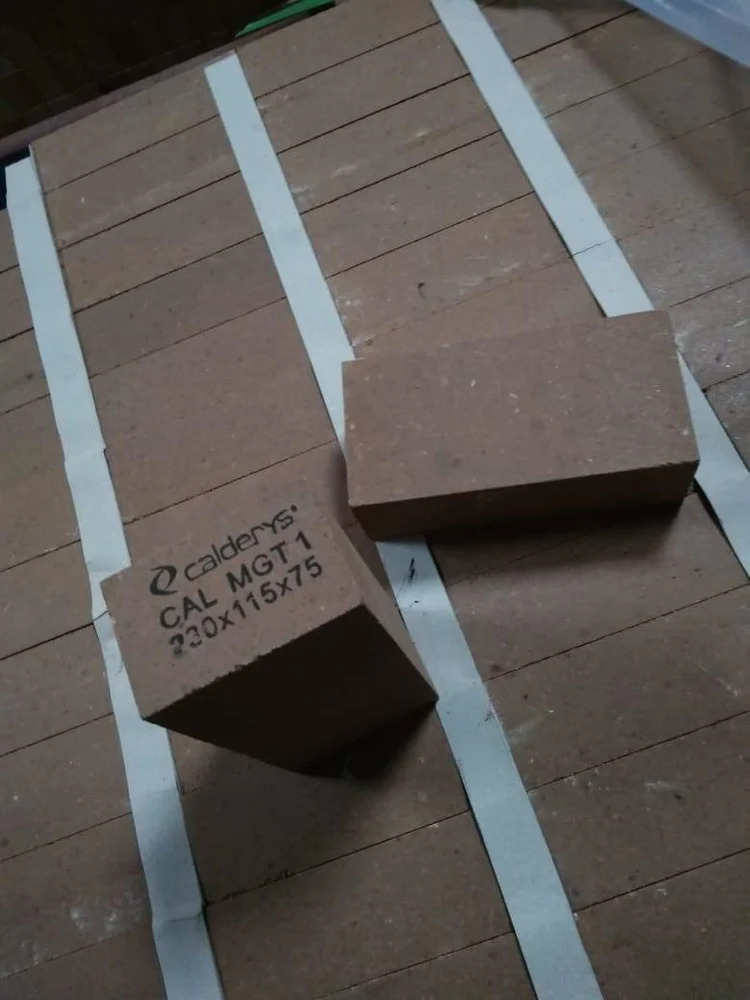
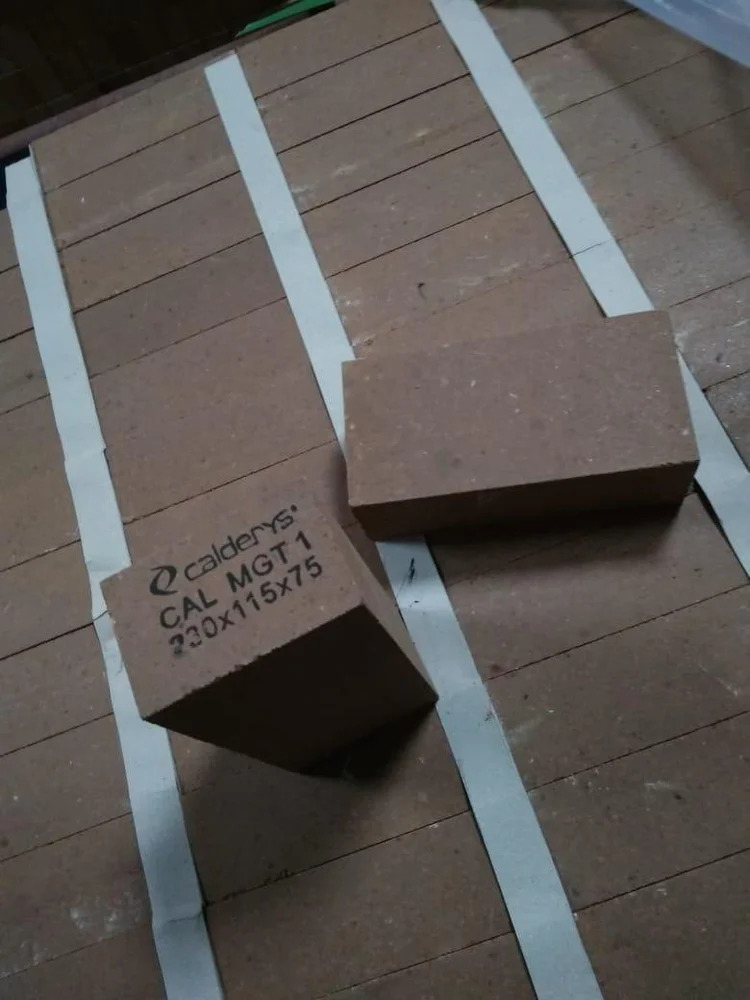
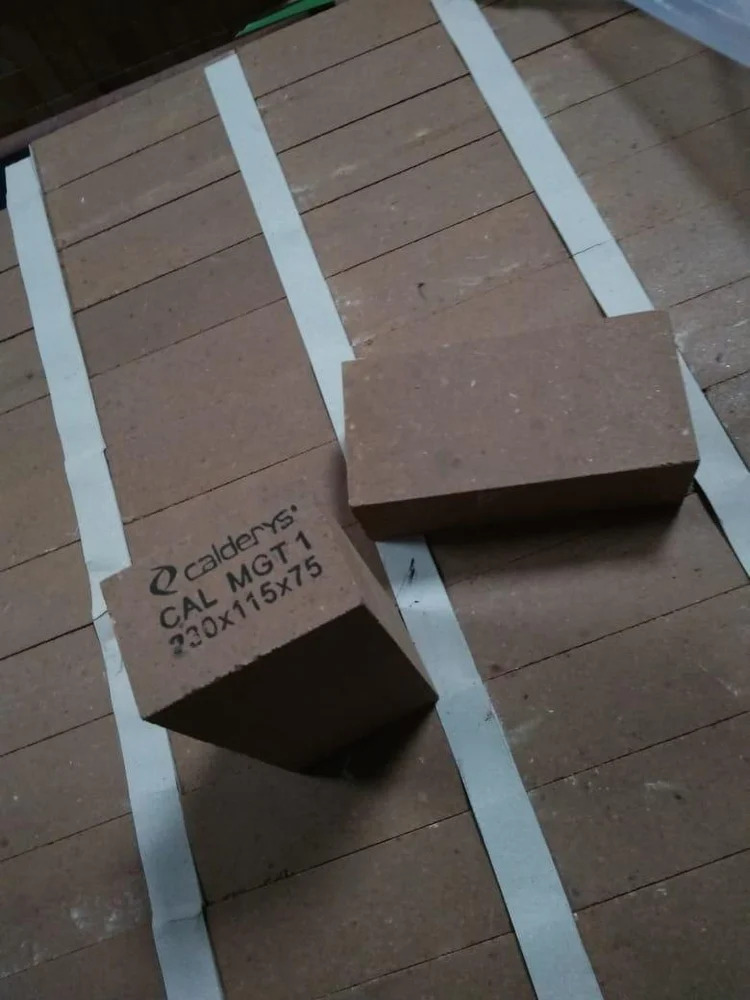
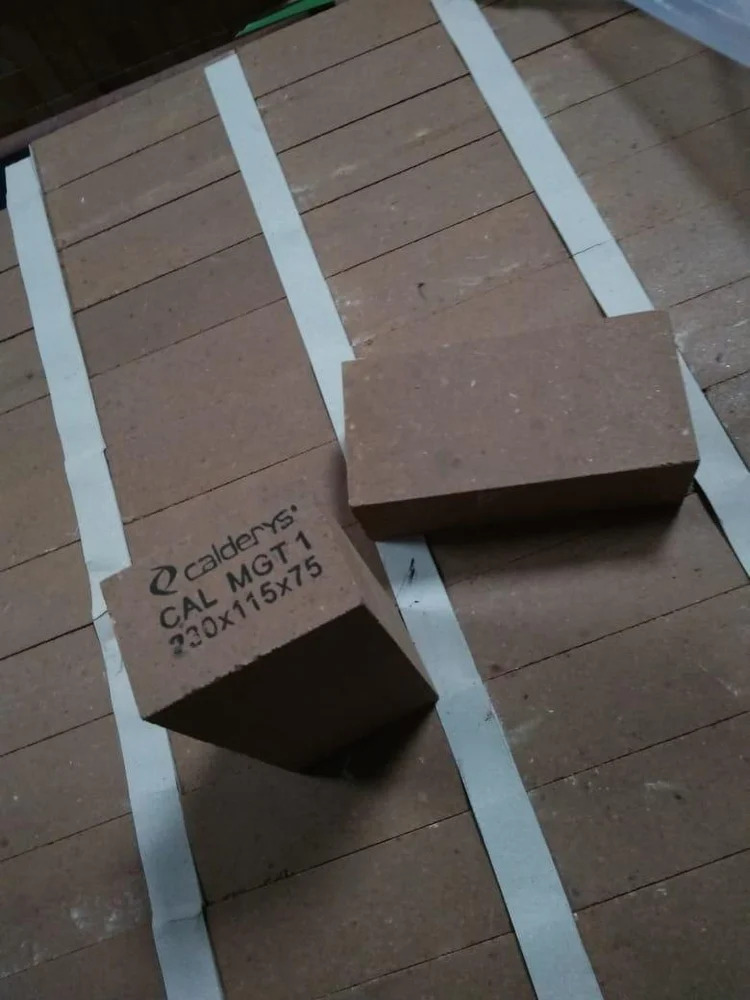
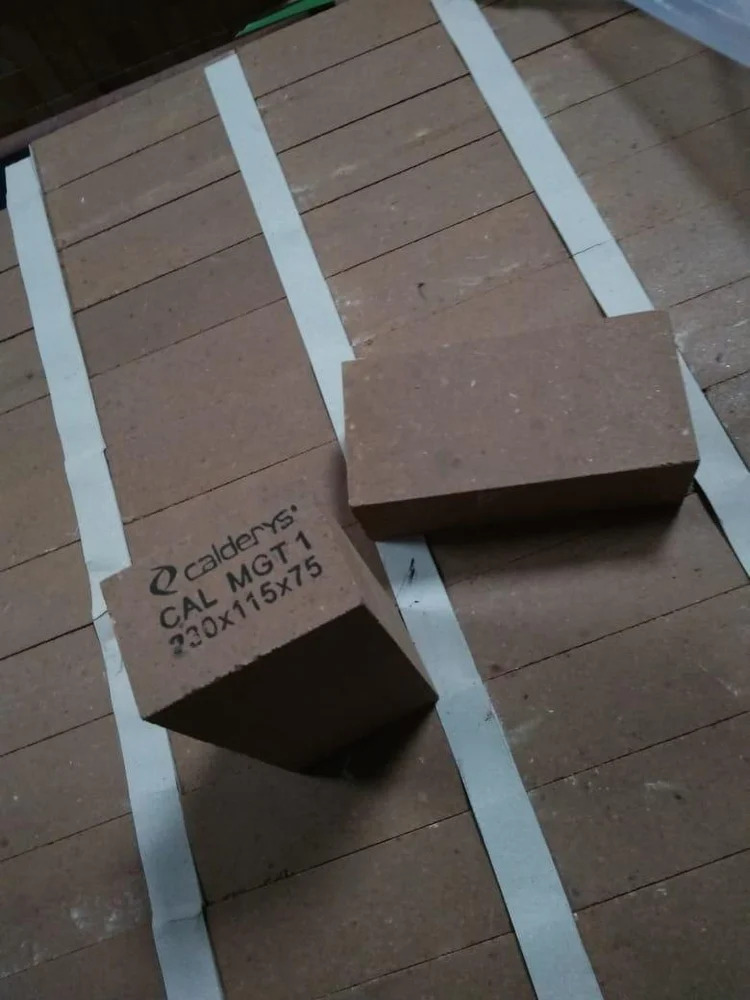
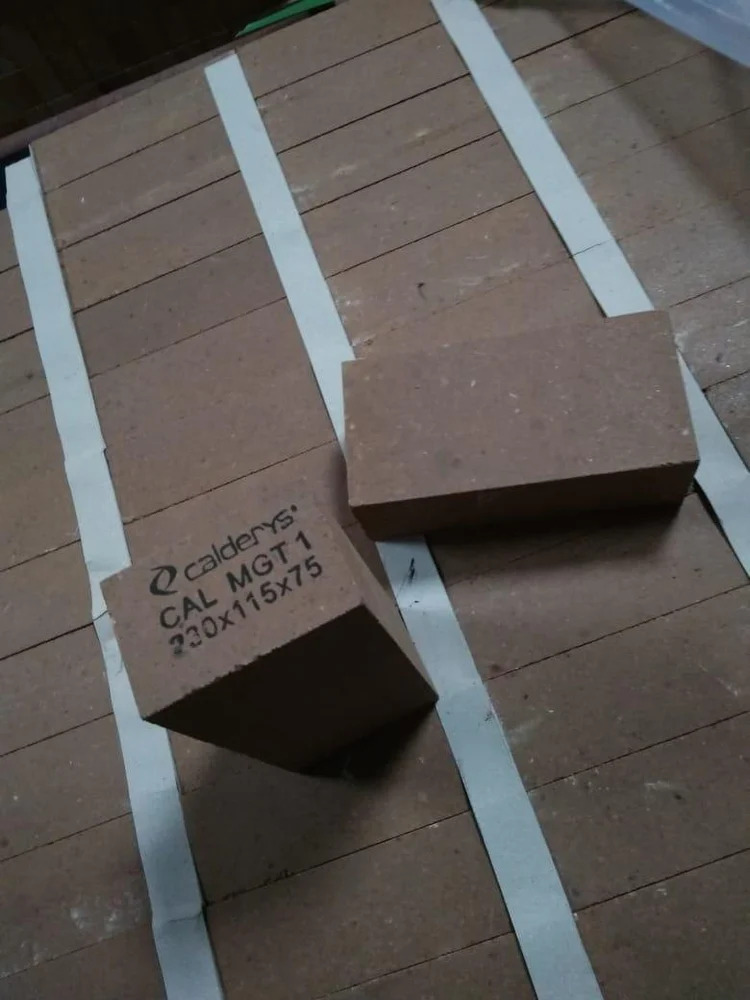
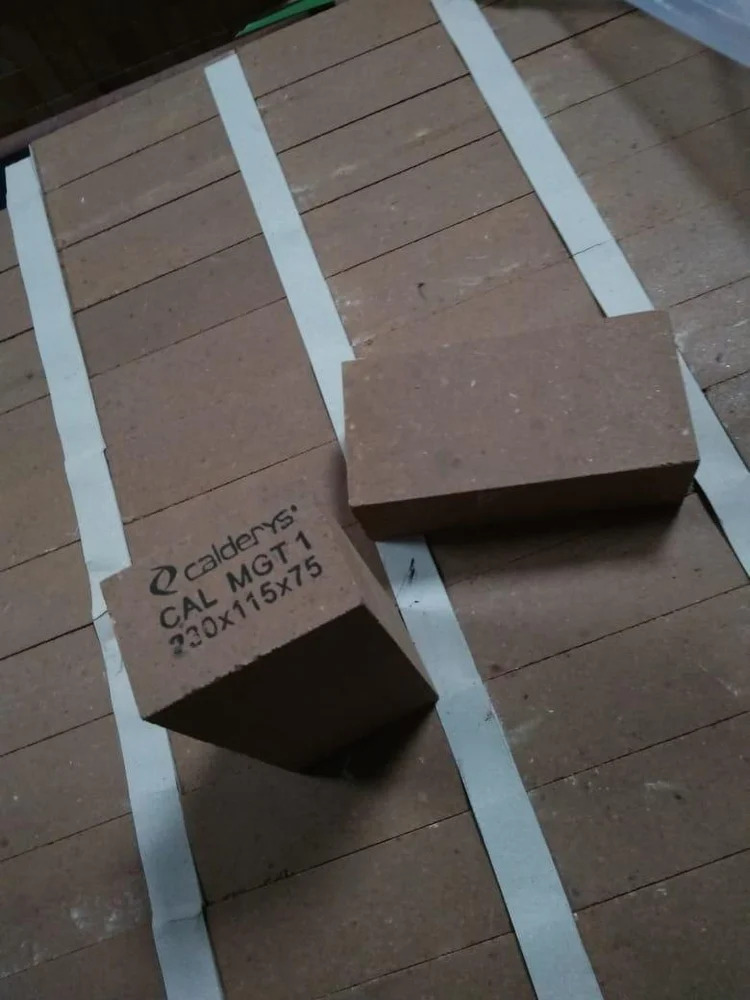
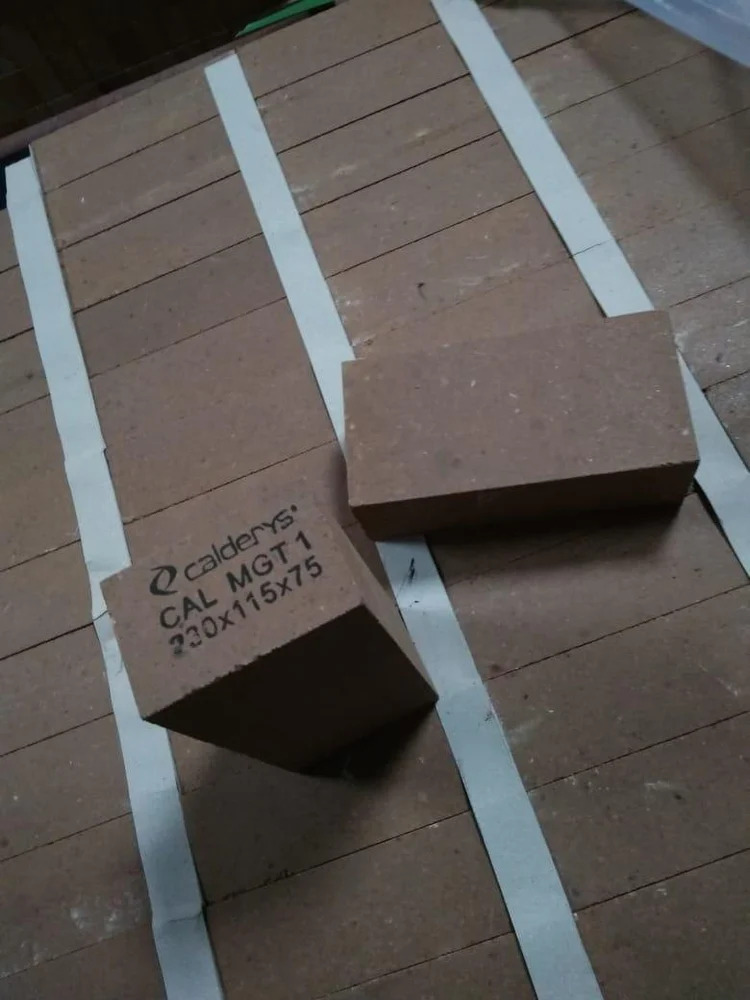
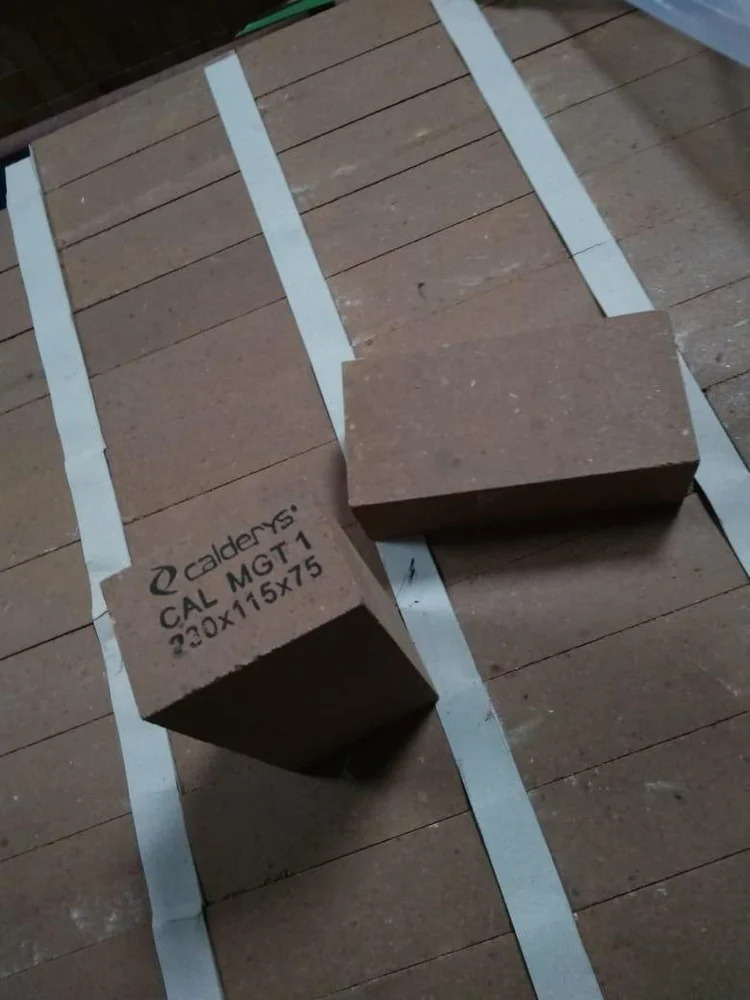
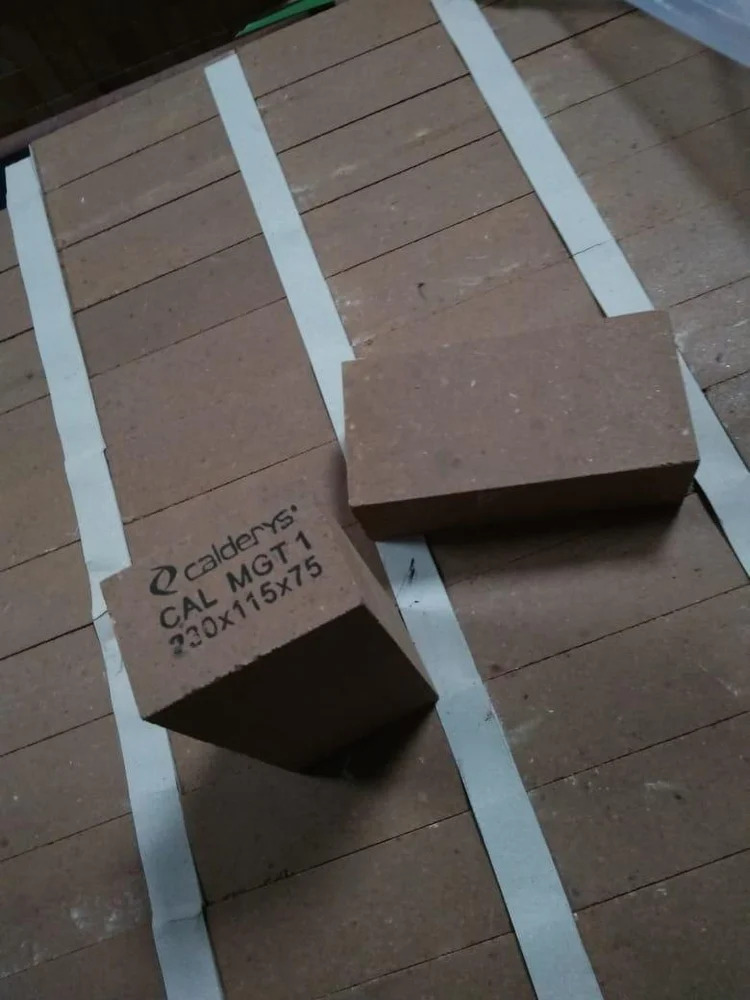
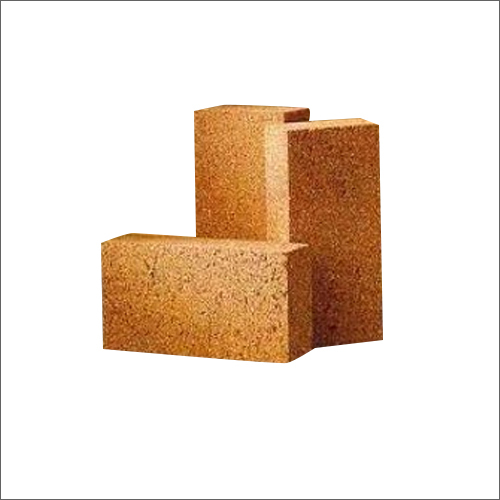
Magnesite Chrome Bricks
Price 376.0 INR/ Unit
MOQ : 100 Units
Magnesite Chrome Bricks Specification
- Drying Shrinkage
- Minimal
- Water Absorption
- Less than 0.5%
- Dimension (L*W*H)
- 230mm x 114mm x 65mm
- Porosity (%)
- 15-18%
- Working Life
- Long-lasting under high temperatures
- Compressive Strength
- > 30 MPa
- Bricks Type
- Refractory Basic Brick
- Material
- Sintered magnesia, chrome ore
- Type
- Magnesite Chrome Brick
- Color
- Gray
- Size
- Different Size
- Shape
- Rectangle
- Porosity
- Low
- Thickness
- Standard (approx. 65 mm)
- Technics
- Sintered
- Feature
- Fire Brick
- Cement Kiln Use
- Suitable
- Industrial Grade
- Yes
- Steel Furnace Use
- Yes
- Abrasion Resistance
- Good
- Refractoriness
- > 2000C
- Alkali Slag Resistant
- High resistance
- Metallurgical Application
- Preferred choice
- Thermal Conductivity
- Low
- Density
- ~2.9 g/cm3
Magnesite Chrome Bricks Trade Information
- Minimum Order Quantity
- 100 Units
- Payment Terms
- Cash Advance (CA), Cash in Advance (CID)
- Supply Ability
- 5000 Units Per Month
- Delivery Time
- 7 Days
- Sample Policy
- Contact us for information regarding our sample policy
- Main Domestic Market
- All India
Magnesite Chrome Bricks About
With the endorsement of our professionals of manufacturing unit, we are engaged in offering Magnesite Chrome Bricks. These bricks are utilized in roofs and they are now universally adopted in cement kilns. Magnesite Chrome Bricks may also be utilized in electric steel furnaces, in the hearths of soaking pits, and reheating furnaces. We are giving these bricks in numerous sizes options according to the needs of customers.
Outstanding Alkali Slag Resistance and Durability
These magnesite chrome bricks are engineered to deliver superior resistance against alkali slag and abrasive environments. Their carefully controlled low porosity and high density enable lasting integrity, making them a preferred choice for metallurgical furnaces exposed to aggressive slags and high temperatures. Whether in steel manufacturing or cement production, the bricks maintain structural strength over extended usage cycles.
Engineered for Extreme Temperatures and Industrial Versatility
Manufactured using a sintered process with top-grade magnesia and chrome ore, these bricks exhibit refractoriness beyond 2000C. Low water absorption and drying shrinkage minimize common refractory failures, while their rectangular shape and range of sizes ensure compatibility with diverse industrial furnace designs in India's heavy industries.
FAQ's of Magnesite Chrome Bricks:
Q: How do magnesite chrome bricks provide resistance to alkali slag in metallurgical applications?
A: Magnesite chrome bricks are formulated with sintered magnesia and chrome ore, which together resist corrosive attack from alkali-rich slags. Their low porosity and dense structure act as a robust barrier, minimizing slag penetration and maintaining brick integrity under severe furnace conditions.Q: What are the benefits of using these bricks in steel furnaces and cement kilns?
A: These bricks offer exceptional thermal stability, high compressive strength, and prolonged working life, making them ideal for steel furnaces and cement kilns. They ensure minimal wear, effective heat insulation due to their low thermal conductivity, and superior resistance to chemical attack, reducing maintenance downtime and costs.Q: Where are magnesite chrome bricks commonly installed and used?
A: Primarily, these bricks are utilized in areas of steel furnaces and cement kilns where high alkali corrosion and temperature fluctuations are expected. Their resilience also makes them suitable for other aggressive high-temperature industrial settings that require durable basic refractory linings.Q: What is the standard manufacturing process for these bricks?
A: The bricks are produced via a sintered process, where carefully blended magnesia and chrome ore are shaped and fired at high temperatures. This process yields bricks with consistent density, low porosity, and optimal chemical resistance for high-performance refractory applications.Q: When should these bricks be replaced in industrial furnaces?
A: Replacement timing depends on operating conditions, but these bricks are designed for extended service life due to their high resistance to slag attack and mechanical wear. Regular inspections should be conducted, with replacement recommended if significant erosion, cracks, or reduced insulating capability are observed.Q: How do these bricks contribute to energy efficiency in furnaces?
A: Their low thermal conductivity helps to minimize heat loss through the furnace walls, conserving energy and promoting uniform temperature control within the furnace chamber. This contributes to overall process efficiency and cost savings in high-temperature operations.Q: What are the available sizes and can they be customized for specific furnace designs?
A: The standard size for these bricks is 230mm x 114mm x 65mm, but different sizes and thicknesses can be sourced through suppliers and traders in India to meet specific design and operational requirements of various industrial furnaces.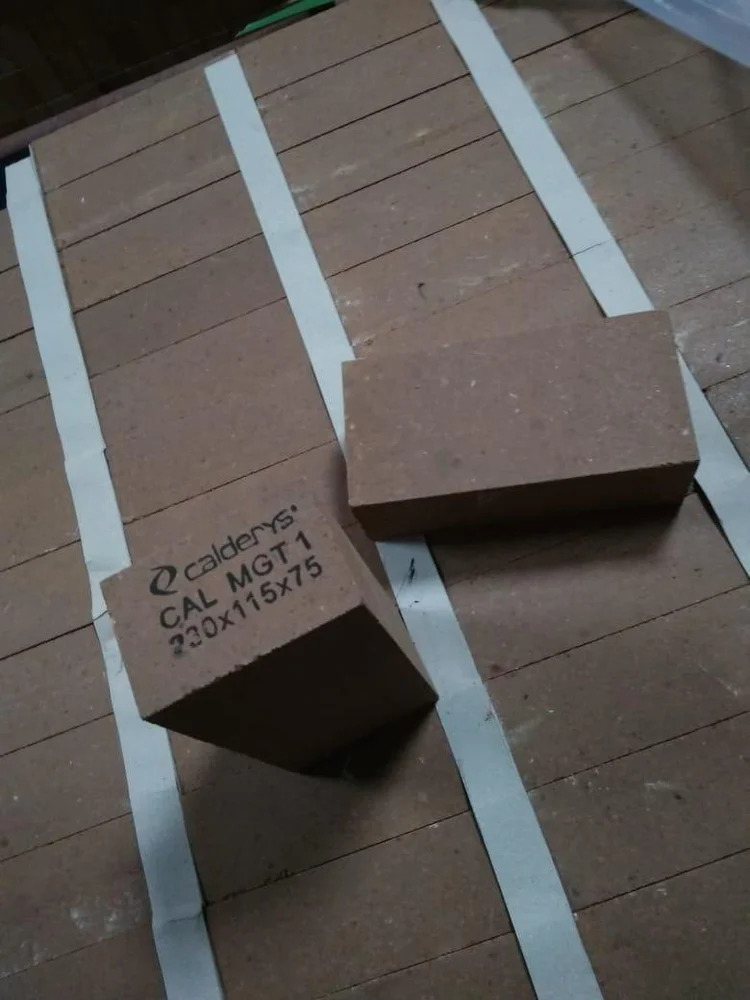
Tell us about your requirement

Price:
Quantity
Select Unit
- 50
- 100
- 200
- 250
- 500
- 1000+
Additional detail
Mobile number
Email

More Products in Fire Bricks Category
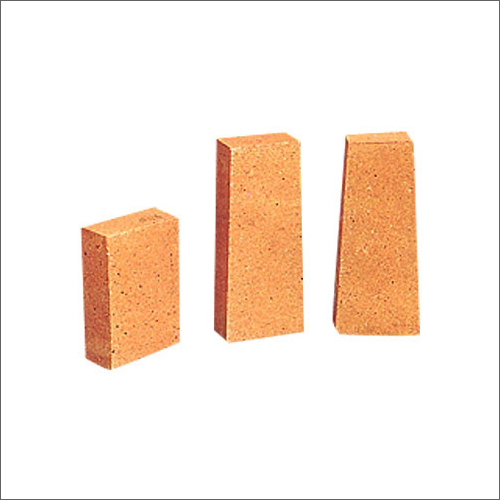
Industrial Fire Bricks
Price 35.0 INR / Number
Minimum Order Quantity : 100
Bricks Type : Other, Industrial Fire Brick
Color : Brown
Shape : Rectangle
Size : Different Size
9x4.5x3 Inch Fire Bricks
Price 26 INR / Unit
Minimum Order Quantity : 100 Units
Bricks Type : Clay Bricks
Color : Brown
Shape : Rectangle
Size : Different Size

Contact Details
ESS ESS CERATECH
GST : 06AACFE7695K1ZY
- Plot No. 4B, Saroorpur Industrial Area,Faridabad - 121005, Haryana, India
- Phone :08045479659

 Send Inquiry
Developed and Managed by Infocom Network Private Limited.
