
Call: 08045479659
 Send Inquiry
 Send Inquiry
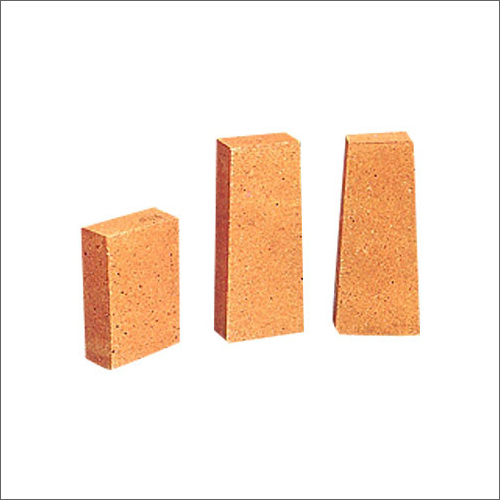
Industrial Fire Bricks
Price 35.0 INR/ Number
Industrial Fire Bricks Specification
- Compressive Strength
- High compressive strength
- Water Absorption
- Less than 10%
- Porosity (%)
- 15-25%
- Drying Shrinkage
- Below 2%
- Dimension (L*W*H)
- 230 114 65 mm (standard)
- Working Life
- Extended high-temperature use
- Bricks Type
- Industrial Fire Brick
- Material
- High-alumina fireclay ceramic
- Type
- Refractory Brick
- Color
- Brown
- Size
- Different Size
- Shape
- Rectangle
- Porosity
- Low porosity
- Thickness
- Approx. 65-75 mm
- Technics
- High-temperature fired
- Feature
- Fire Brick
- Shape Variants
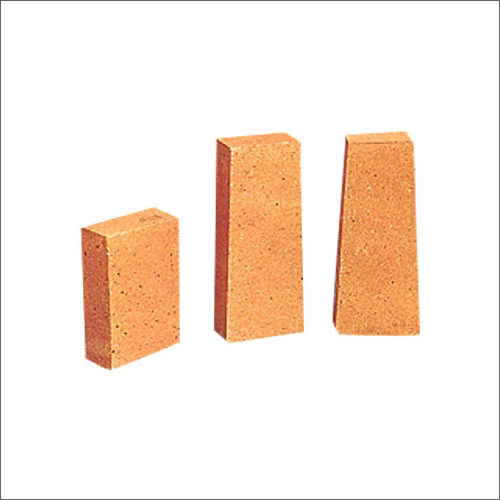
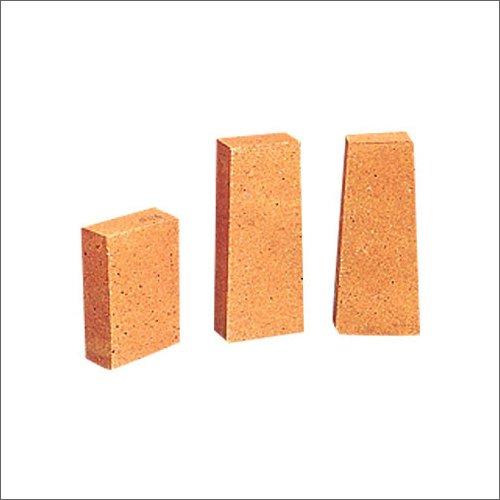
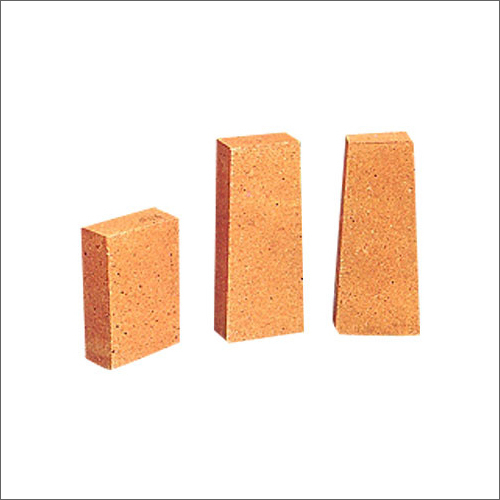
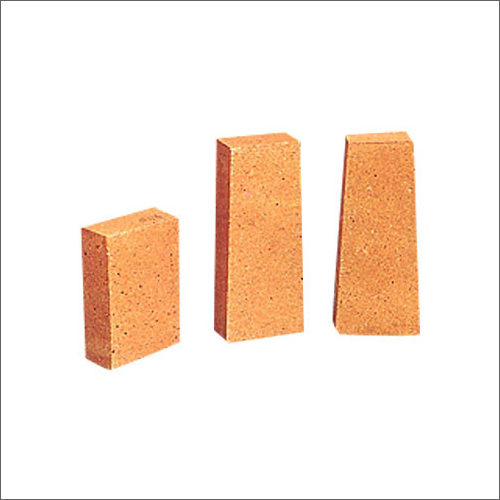
- Multiple geometric forms
- Weight
- Medium density
- Installation Method
- Mortared joints
- Application
- Furnaces, kilns, incinerators
- Fire Resistance
- Up to 1400C
- Corrosion Resistance
- Chemical stable
- Surface Texture
- Smooth finish
- Edge Type
- Sharp edges
- Thermal Conductivity
- Low
- Mechanical Durability
- Excellent
Industrial Fire Bricks Trade Information
- Minimum Order Quantity
- 100 Number
- Payment Terms
- Cash Advance (CA)
- Supply Ability
- 5000 Per Month
- Delivery Time
- 7 Days
- Main Domestic Market
- All India
Industrial Fire Bricks About
Industrial fire bricks are a refractory ceramic material block utilised in masonry construction. These are excellent for lining boilers, furnaces, and fireplaces. Alumina, silica, or other refractory minerals make up our products. The blocks come in a wide range of sizes and forms that can be used for various tasks. Industrial fire bricks are primarily designed to withstand intense heat, yet they should normally have a poor thermal conductivity to save energy. These blocks provide the advantages of heat insulation and fireproofing. They also have high fire resistance, moisture resistance, and sturdiness. Our products are utilised for inner surface lining in kilns, furnaces, chimneys, and other structures.
Industrial fire bricks, commonly referred to as refractory bricks, are specialized ceramic blocks engineered to withstand extreme temperatures (often exceeding, thermal shock, and chemical abrasion. These bricks are essential for constructing the inner linings of industrial furnaces, kilns, and smelters.
Industrial fire bricks are made from materials like fire clay, alumina, silica, magnesia, or silicon carbide, which are chosen based on the intended operating environment.
Industrial fire bricks (refractory bricks) are specialized ceramic blocks designed to withstand extreme temperatures, thermal shock, and chemical attack. They line high-temperature industrial equipment like furnaces, kilns, and boilers to provide essential thermal insulation and protect outer structures from melting or structural failure
Core Classifications
Industrial fire bricks are grouped by their chemical composition and thermal behavior:
- Insulating Fire Bricks (IFB): Lightweight, highly porous bricks with low thermal conductivity. Designed primarily to reduce heat loss and improve energy efficiency.
- Hard/Dense Fire Bricks: Heavy, dense bricks designed for structural integrity and direct contact with intense heat, open flames, or molten materials.
Exceptional Thermal and Mechanical Performance
Designed for industrial applications, these fire bricks offer low thermal conductivity and outstanding fire resistance up to 1400C, ensuring reliable operation under extreme heat. Their high compressive strength and extended working life make them ideal for furnaces, kilns, and incinerators, providing durability where it matters most.
Precision Manufacturing and Versatility
With a smooth surface, sharp edges, and low porosity (15-25%), our bricks are made using advanced high-temperature firing techniques. Available in various geometric shapes and sizes, they allow for versatile installation on mortared joints, accommodating different industrial design requirements with ease.
Reliable Chemical and Corrosion Resistance
Thanks to their high-alumina fireclay ceramic composition, these bricks remain stable in chemically aggressive environments, resisting corrosion and ensuring safety and longevity in applications where challenging conditions are routine.
FAQ's of Industrial Fire Bricks:
Q: How do industrial fire bricks support high-temperature applications like furnaces and kilns?
A: Industrial fire bricks are constructed from high-alumina fireclay ceramic and are fired at extreme temperatures, which gives them excellent fire resistance up to 1400C. Their low thermal conductivity and high compressive strength make them ideal for maintaining structural integrity under continuous high heat, as typically required in furnaces, kilns, and incinerators.Q: What installation method is recommended for these refractory fire bricks?
A: Mortared joints are the preferred installation method for these bricks, ensuring secure placement and stable alignment. Their sharp edges and smooth surfaces help achieve tight, reliable joints, resulting in strong wall structures capable of withstanding high thermal and mechanical stress.Q: When should these fire bricks be replaced during maintenance?
A: Although these bricks offer an extended working life due to their high strength and low porosity, replacement should be considered if visible cracks, significant surface damage, or excessive wear appear, especially in zones exposed to direct flame or chemical stress. Regular inspection helps optimize furnace or kiln efficiency.Q: Where can these industrial fire bricks be utilized most effectively?
A: These refractory bricks are most commonly used in high-temperature industrial environments such as furnaces, kilns, and incinerators. Their stable chemical and thermal properties make them suitable for any setting that demands excellent fire and corrosion resistance, particularly in manufacturing plants and waste disposal facilities.Q: What benefits do high-alumina fireclay ceramics provide to these bricks?
A: High-alumina fireclay ceramics offer superior mechanical durability, excellent fire and corrosion resistance, and stable performance under extreme temperatures. This material also contributes to the bricks' low porosity and low water absorption, resulting in improved insulation and a longer service lifespan.Q: How does the low porosity of these bricks influence their industrial performance?
A: Low porosity (15-25%) limits the absorption of water and reduces vulnerability to chemical attack, improving insulation and ensuring structural stability over time. This makes the bricks more durable and reliable in harsh thermal environments, where moisture or chemicals might otherwise degrade materials.Q: What geometric shapes and sizes are available for these fire bricks?
A: The fire bricks come in a range of geometric forms and sizes to accommodate various industrial requirements. The standard size is 230 x 114 x 65 mm, but other shapes and dimensions are available on request, offering flexibility for custom furnace, kiln, and incinerator designs.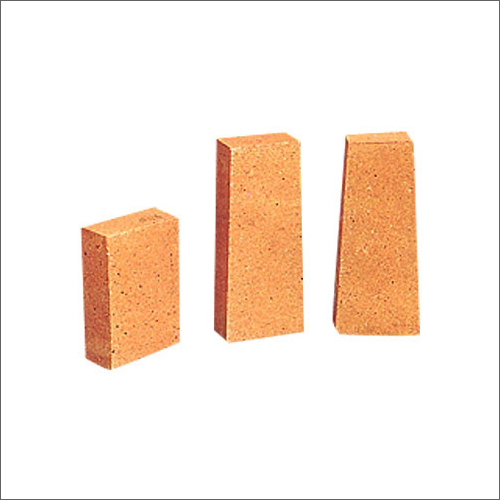
Tell us about your requirement

Price:
Quantity
Select Unit
- 50
- 100
- 200
- 250
- 500
- 1000+
Additional detail
Mobile number
Email

More Products in Fire Bricks Category
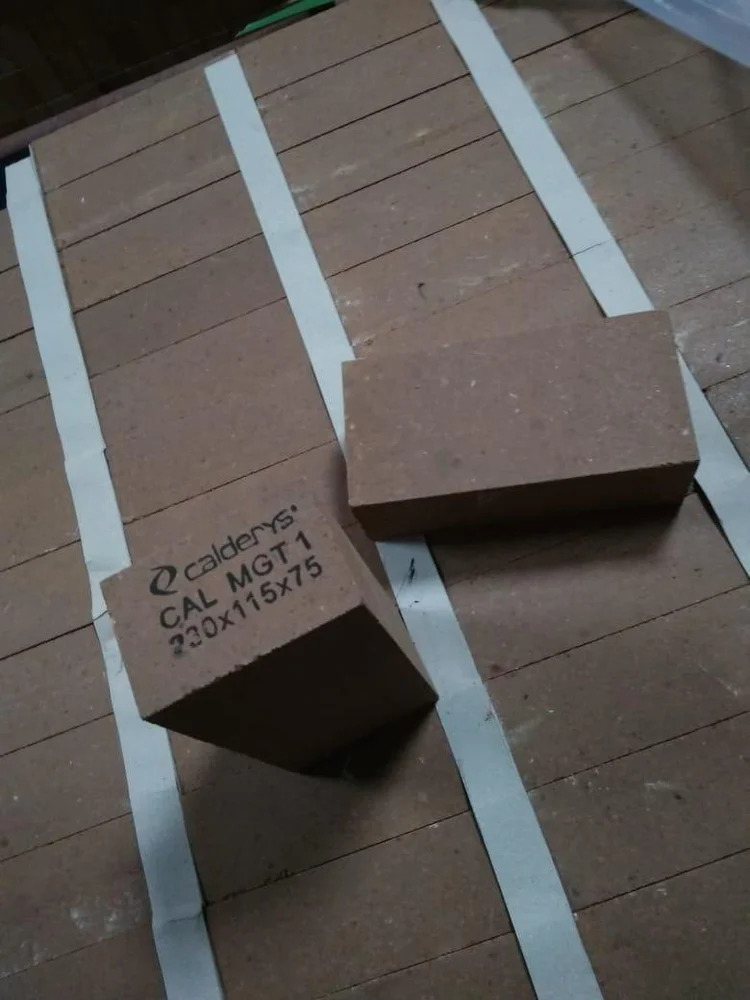
Magnesite Chrome Bricks
Price 376.0 INR / Unit
Minimum Order Quantity : 100 Units
Color : Gray
Shape : Rectangle
Bricks Type : Other, Refractory Basic Brick
Size : Different Size
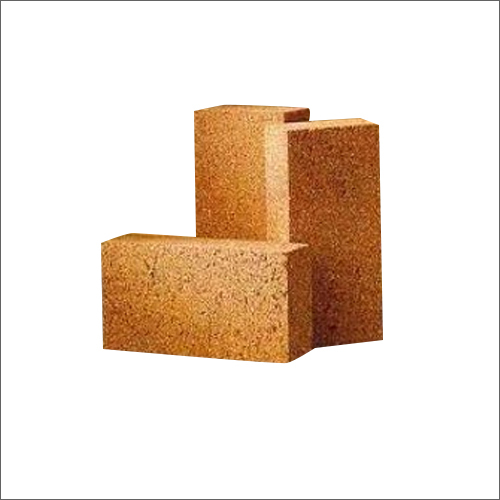
9x4.5x3 Inch Fire Bricks
Price 26 INR / Unit
Minimum Order Quantity : 100 Units
Color : Brown
Shape : Rectangle
Bricks Type : Clay Bricks
Size : Different Size

Contact Details
ESS ESS CERATECH
GST : 06AACFE7695K1ZY
- Plot No. 4B, Saroorpur Industrial Area,Faridabad - 121005, Haryana, India
- Phone :08045479659

 Send Inquiry
Developed and Managed by Infocom Network Private Limited.
