
Call: 08045479659
 Send Inquiry
 Send Inquiry
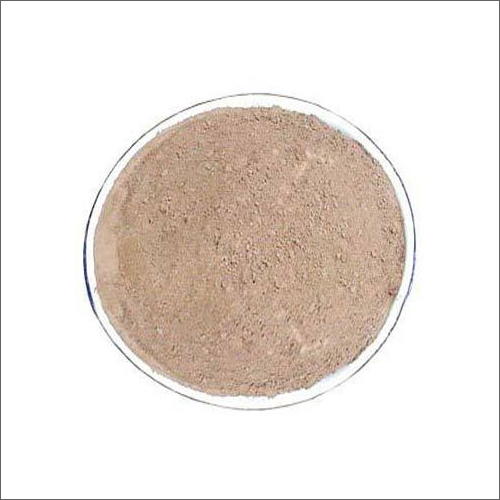
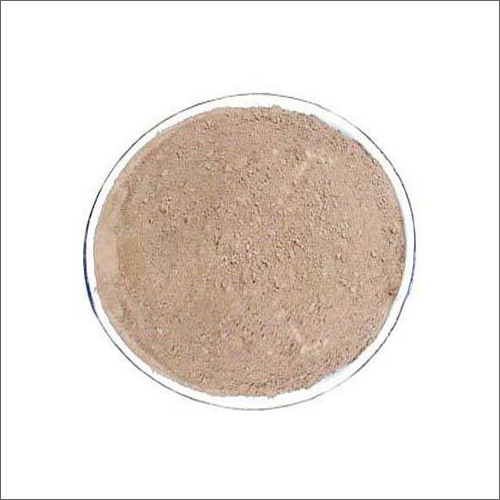
CASTABLE REFRACTORY
Price 5 INR/ Kilograms
MOQ : 100 Kilograms
CASTABLE REFRACTORY Specification
- Water Absorption
- < 10%
- Hardness (%)
- 55-60%
- Melting Point
- Up to 1800C
- Usage & Applications
- Iron and steel, cement, glass, ceramic, power, and petrochemical industries
- Density
- 2.5 Gram per cubic centimeter(g/cm3)
- Application
- laying bricks
- Chemical Composition
- High alumina, Silica
- Form
- Powder
- Surface Finish
- Smooth after setting
- Purity(%)
- 92-95%
- Product Type
- Refractories
- Types of Refractories
- Basic Refractory
- Shape
- Powder
- Porosity
- 18-22%
- Dimensional Stability
- High at elevated temperatures
- Strength
- 90-100 kg/cm2 (cold crushing strength)
- Specific Gravity
- 2.5-2.7
- Thermal Conductivity
- Low (good insulating properties)
- Color
- Brown
- Resistance
- High resistance to thermal shock and abrasion
- Compressive Strength at 110C
- 90-110 kg/cm2
- Bonding System
- Hydraulic / Chemical
- Mixing Ratio
- Water addition 10-12% by weight
- Grain Size
- 0-5 mm
- Curing Time
- 24 hours at ambient temperature
- Installation
- Rammed, cast, or gunned
- Shelf Life
- 12 months in dry storage
- Max Service Temperature
- Up to 1700C
- Setting Time
- Approx. 6-8 hours
CASTABLE REFRACTORY Trade Information
- Minimum Order Quantity
- 100 Kilograms
- Payment Terms
- Cash Advance (CA)
- Supply Ability
- 5000 Kilograms Per Month
- Delivery Time
- 7 Days
- Main Domestic Market
- All India
CASTABLE REFRACTORY About
Castable refractory is a heat-resistant, cement-like dry powder blend of refractory aggregates, binders, and additives that hardens when mixed with water to form a strong, jointless, and custom-shaped lining for high-temperature equipment.
Key Characteristics and Specifications
- Form: Dry powder mixture
- Installation Method: Mixed with water and poured, pumped, or gunned into molds on-site
- Temperature Resistance: 800C to 1800C (1472F to 3272F)
- Structure: Seamless, jointless monolithic lining (eliminating weak mortar joints found in brick)
- Porosity: Typically 18% to 22% for dense variants
- Composition: Refractory aggregates like alumina or silica combined with hydraulic or chemical binders like calcium aluminate cement
Outstanding Performance at Extreme Temperatures
Designed to withstand service temperatures up to 1700C and a melting point up to 1800C, our castable refractory delivers exceptional durability under thermal stress. Its high alumina content and specific engineering make it a reliable choice in sectors where thermal shock and wear resistance are vital, ensuring long service life and reduced maintenance cycles.
Versatile Application Methods for Convenience
This refractory can be installed through ramming, casting, or gunning, providing flexibility on-site and accommodating varied construction needs. The smooth finish after setting and low water absorption enhance the quality and longevity of linings, making it ideal for complex shapes and repairs. The easy mixing ratio streamlines preparation and consistent application.
FAQ's of CASTABLE REFRACTORY:
Q: How should the castable refractory be mixed and installed for optimal strength?
A: To achieve optimal strength and consistency, add 10-12% water by weight to the powder and mix thoroughly. The mixture can be installed using ramming, casting, or gunning techniques depending on your specific project requirements.Q: What applications is this castable refractory suitable for?
A: This product is designed for use in high-temperature industrial processes, including iron and steel production, cement manufacturing, glass, ceramic, power, and petrochemical industries. It is particularly suited for laying bricks, linings, and repairs where high strength and thermal resistance are essential.Q: When does the castable refractory set and cure completely?
A: The refractory sets in approximately 6-8 hours after installation and requires a curing period of 24 hours at ambient temperature to develop full strength and optimal performance.Q: Where does this refractory offer the most benefit?
A: It excels in applications exposed to high heat or thermal cycling and areas prone to abrasion and chemical exposure, such as kilns, furnaces, reactors, and incinerators. Its dimensional stability and abrasion resistance make it particularly beneficial in such harsh environments.Q: What are the benefits of the material's specific grain size and chemical composition?
A: The 0-5 mm grain size, high alumina, and silica ensure a smooth surface finish, low porosity, and high compressive strength. These properties deliver excellent insulation, robust structural integrity, and enhanced longevity in demanding operations.Q: How does proper storage affect the shelf life of the castable refractory?
A: To maintain its 12-month shelf life, the castable refractory should be stored in a dry environment to prevent moisture absorption, which could affect setting, strength, and overall performance.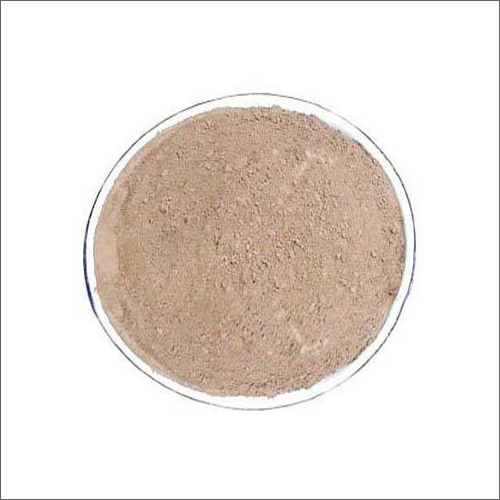
Tell us about your requirement

Price:
Quantity
Select Unit
- 50
- 100
- 200
- 250
- 500
- 1000+
Additional detail
Mobile number
Email

More Products in Refractory Mortar Category
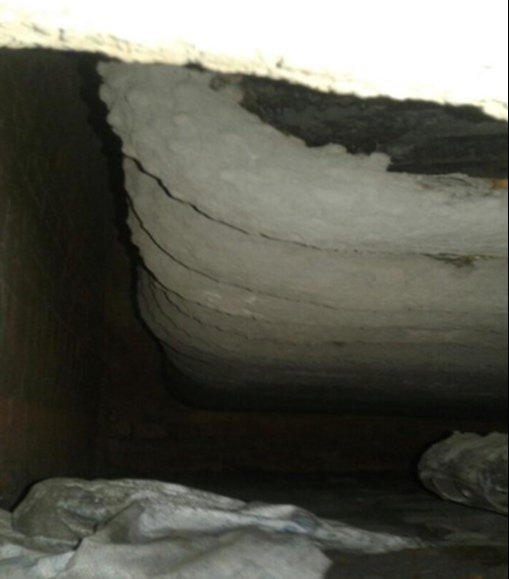
Phoscast 90xr Refractory Castable
Price 125.0 INR / Kilograms
Minimum Order Quantity : 500 Kilograms
Color : as for costmer
Dimensional Stability : Reversible
Purity(%) : >90%
Surface Finish : Smooth after casting

Contact Details
ESS ESS CERATECH
GST : 06AACFE7695K1ZY
- Plot No. 4B, Saroorpur Industrial Area,Faridabad - 121005, Haryana, India
- Phone :08045479659

 Send Inquiry
Developed and Managed by Infocom Network Private Limited.
