
Call: 08045479659
 Send Inquiry
 Send Inquiry
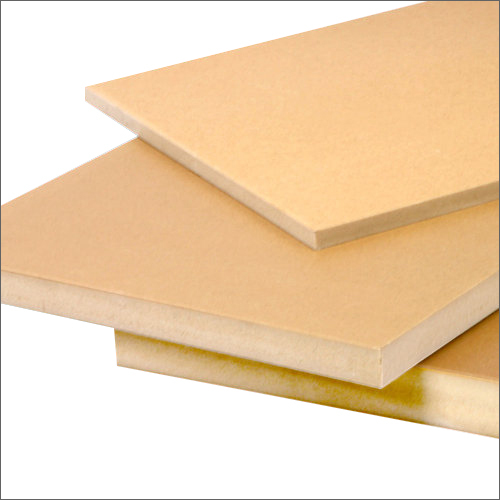
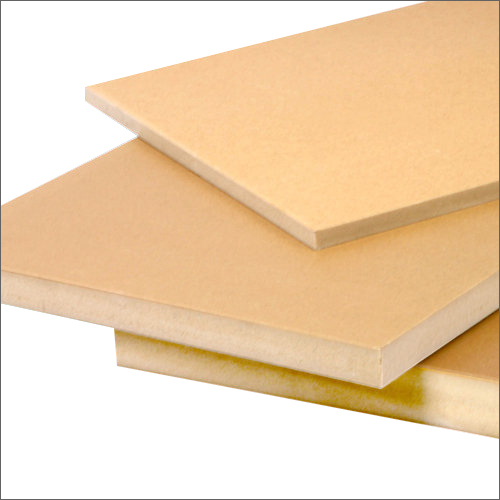
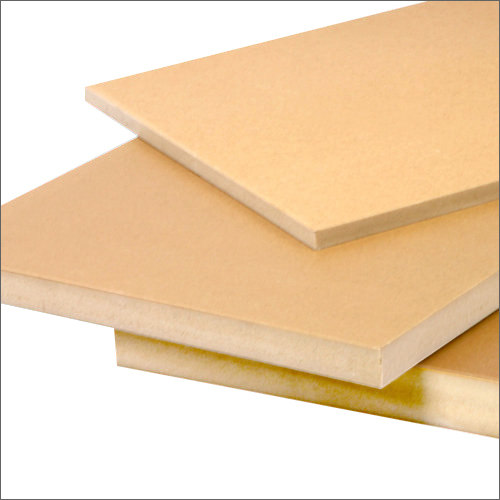
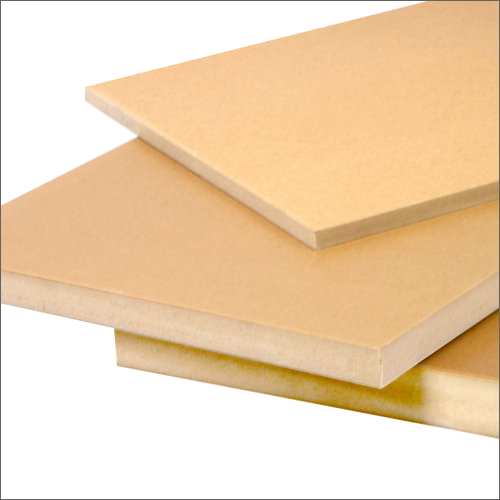
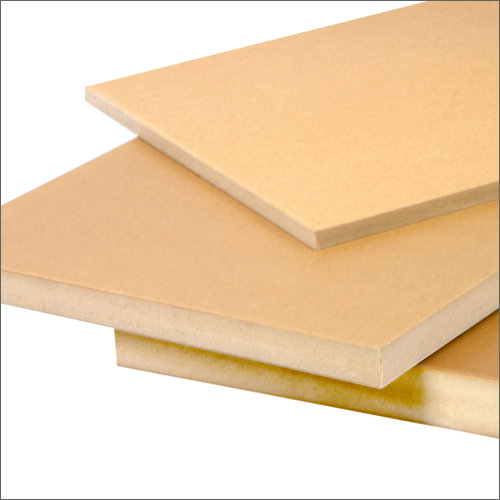
Rectangular Ceramic Fiber Board
Price 750 INR/ Unit
MOQ : 5 Units
Rectangular Ceramic Fiber Board Specification
- Product Type
- Ceramic Fiber Board
- Material
- Ceramic Fiber
- Thickness
- 25,50,75 & 100 Millimeter (mm)
- Application
- THERMAL INSULATION
- Color
- Orange
Rectangular Ceramic Fiber Board Trade Information
- Minimum Order Quantity
- 5 Units
- Payment Terms
- Cash Advance (CA)
- Supply Ability
- 500 Units Per Month
- Delivery Time
- 7 Days
- Main Domestic Market
- All India
Rectangular Ceramic Fiber Board About
With our rich industry experience we are offering our clients utmost quality Rectangular Ceramic Fiber Board. This board has high temperature stability, low thermal conductivity, and resistance against thermal shock. Rectangular Ceramic Fiber Board is a vacuum formed product that resists higher gas velocities. This board generally works as laying furnace lining.
| Material | Ceramic Fiber Board |
| Thickness | 25,50,75 & 100 MM |
| Color | White |
| Shape | Rectangular |
| Size | 1000x500MM |
| Max Withstanding Temperature | 1260 Deg.&1425 Deg. |
| Function | Thermal Insulation |
| Weight | 8 kg |
AI Overview
A rectangular ceramic fiber board is a rigid, self-supporting refractory insulation product made from alumino-silicate fibers. Key specifications include temperature thresholds up to 1260C1425C, densities ranging from1, 300 to 380 kg/m, and high thermal shock resistance. [
Technical Specifications
- Composition Material: Alumina-silica refractory ceramic fibers with safe organic/inorganic binders
- Standard Shape & Dimensions: Rectangular panels, commonly sized at 1000 x 500 mm or 18 x 24 inches
- Thickness Options: Available from 10 mm up to 100 mm (e.g., 25 mm, 50 mm)
- Density Range: 300 to 380 kg/m (approx. 2024 lb/ft)
- Maximum Withstanding Temperature: 1260C (2300F) standard up to 1425C (2600F) high-purity/zirconia grades
Exceptional Thermal Insulation
The ceramic fiber board's advanced structure imparts remarkable thermal resistance, making it a top-tier solution for insulation in high-temperature settings. Its design ensures reduced heat loss and improved energy conservation, suitable for industrial furnaces, kilns, and heating chambers.
Range of Thickness Options
Available in 25, 50, 75, and 100 mm thicknesses, these boards offer flexibility to match various insulation needs. Choosing the appropriate density and thickness enables tailored applications that maximize both performance and longevity in different operational conditions.
FAQ's of Rectangular Ceramic Fiber Board:
Q: How is the Rectangular Ceramic Fiber Board used in thermal insulation applications?
A: Rectangular Ceramic Fiber Boards are installed as lining materials within furnaces, kilns, and heat chambers. Their excellent thermal resistance helps contain and manage high temperatures, ensuring minimal heat transfer and enhanced energy efficiency in industrial environments.Q: What are the benefits of choosing ceramic fiber boards over traditional insulation materials?
A: Ceramic fiber boards provide superior thermal efficiency, are lightweight, resistant to thermal shock, and non-combustible compared to traditional insulation materials. They maintain structural integrity at high temperatures and effectively reduce energy costs by minimizing heat loss.Q: When should I opt for different thicknesses such as 25, 50, 75, or 100 mm?
A: The selection of thickness depends on the temperature range and insulation requirements of your application. Thicker boards (75 or 100 mm) are suited for higher heat environments, while thinner options (25 or 50 mm) can be used where moderate insulation is adequate.Q: Where can these ceramic fiber boards be installed?
A: These boards can be installed in a variety of settings such as industrial furnaces, boiler linings, kiln walls and roofs, and other high-temperature insulation zones. Their durability makes them versatile for many industrial and commercial uses.Q: What is the process for installing ceramic fiber boards?
A: Installation involves measuring and cutting the boards to fit the designated area, then fixing them in place with refractory cements, mechanical anchors, or support frames depending on the temperature and vibration levels. Proper installation ensures optimal thermal insulation performance.Q: How does the orange color of the board impact its functionality?
A: The distinctive orange color is primarily for identification and differentiation; it does not affect the board's insulation properties. The board's performance is determined by its ceramic fiber composition and structural design, not its color.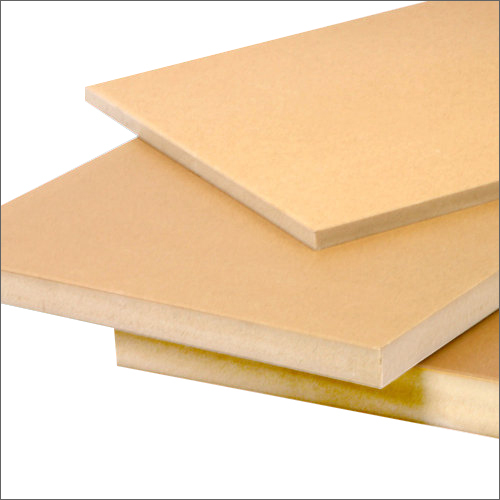
Tell us about your requirement

Price:
Quantity
Select Unit
- 50
- 100
- 200
- 250
- 500
- 1000+
Additional detail
Mobile number
Email

More Products in Ceramic Fibre Products Category
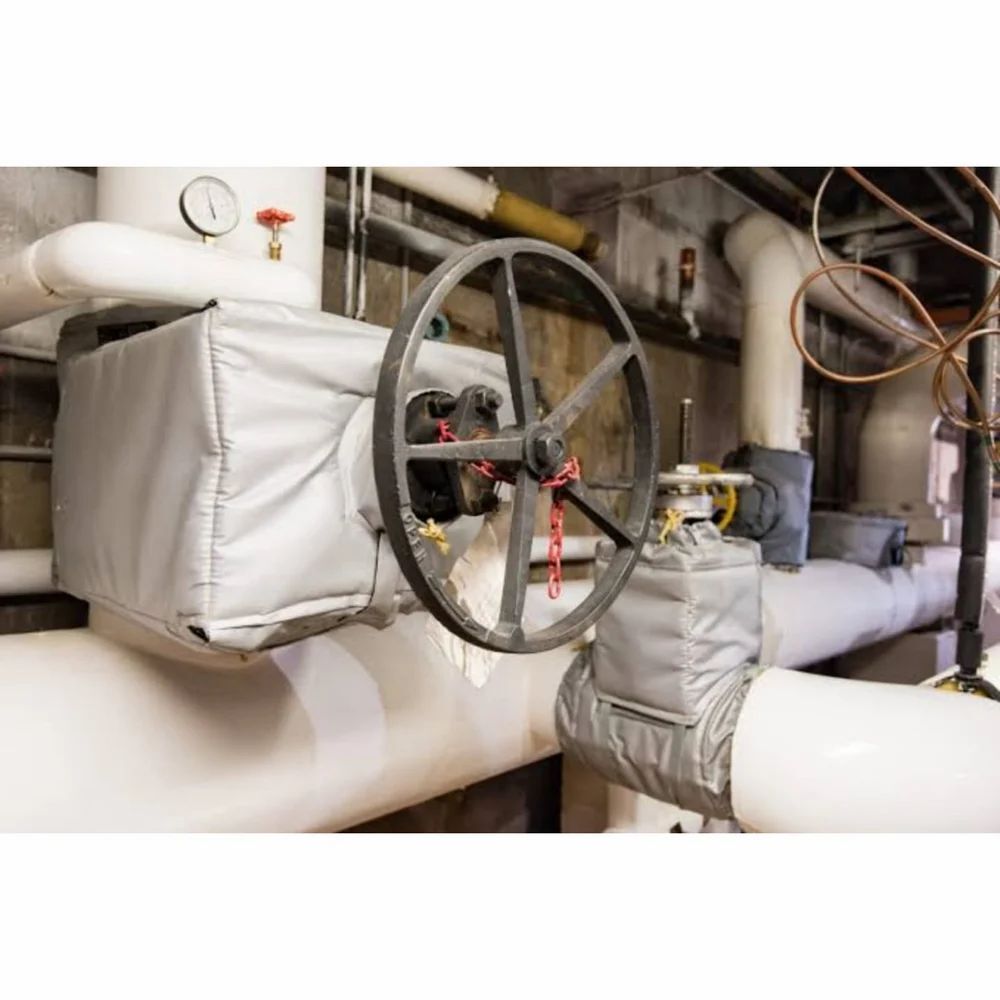
Insulation Cover
Price 10 INR / Inch
Minimum Order Quantity : 400 Inches
Material : Insulation cover
Color : White
Application : Industrial and Outdoor
Product Type : Insulation Cover
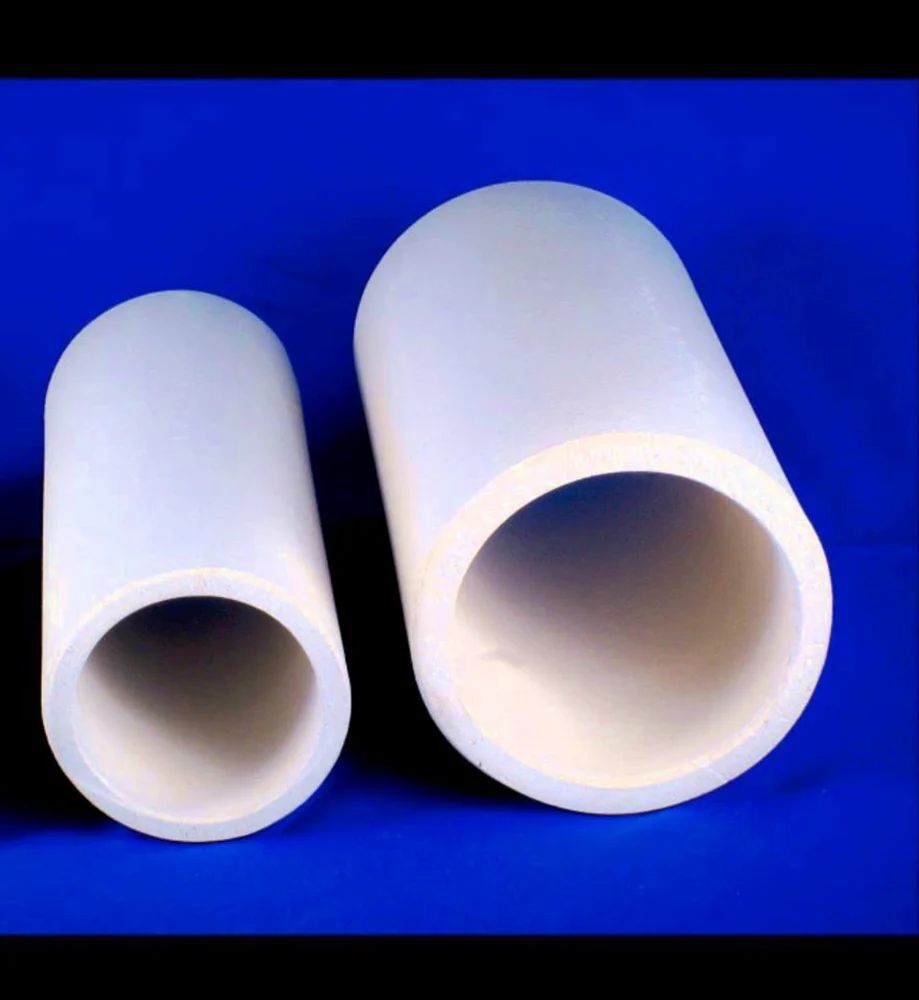
Ceramic White Tube
Price 150 INR / Perch
Minimum Order Quantity : 10 Units
Material : Ceramic Fiber
Color : White
Application : Industrial and Outdoor
Product Type : Ceramic White Tube
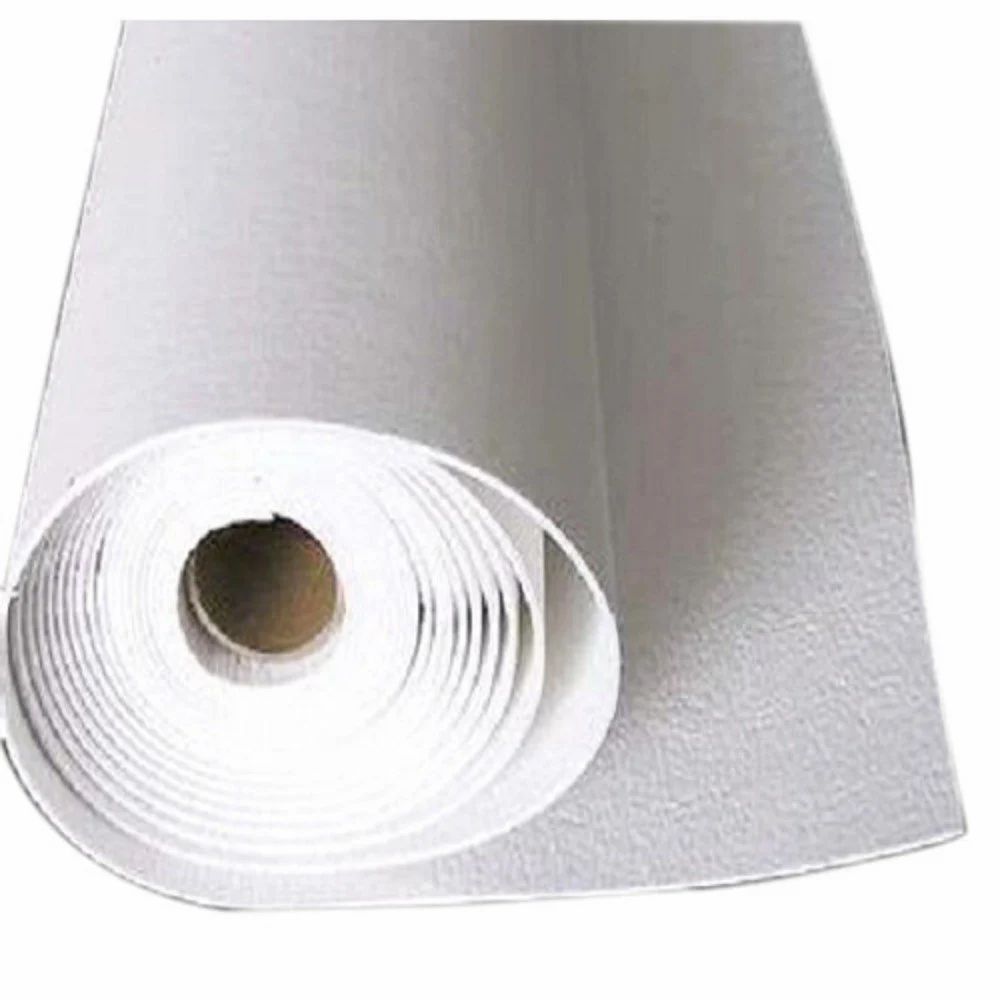
Ceramic Fiber Papers
Price 210 INR / Pair
Minimum Order Quantity : 100 Units
Material : Ceramic Fiber
Color : White
Application : Industrial and Outdoor
Product Type : Ceramic Fiber Papers
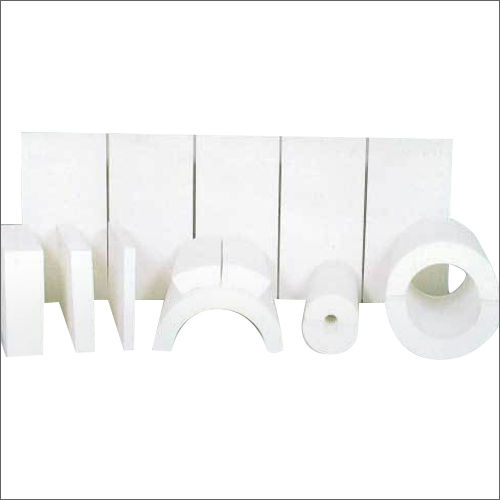
Calcium Silicate Hysil Blocks
Price 850 INR / Unit
Minimum Order Quantity : 10 Units
Material : Fiber
Color : White
Application : THERMAL INSULATION
Product Type : Calcium Silicate Hysil Blocks

Contact Details
ESS ESS CERATECH
GST : 06AACFE7695K1ZY
- Plot No. 4B, Saroorpur Industrial Area,Faridabad - 121005, Haryana, India
- Phone :08045479659

 Send Inquiry
Developed and Managed by Infocom Network Private Limited.
